
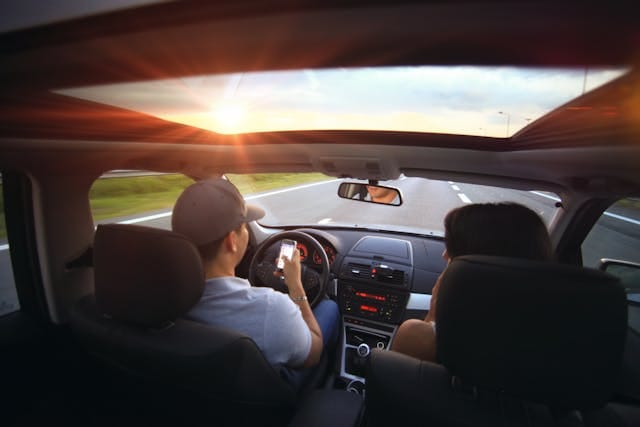
Moving to a new neighborhood often comes with the challenge of finding people you can rely on. Carpooling offers more than just a way to save money or reduce traffic. It encourages conversation, cooperation, and makes starting fresh easier. Riders get to know each other’s routines, preferences, and personalities, which fosters trust over time. Carpooling mirrors the social dynamics of a neighborhood, showing how small acts of coordination and consideration can form strong connections. Meeting new faces in a car can lead to discovering friends nearby, neighbors who share interests, and a network that makes a new place feel welcoming. Above all, these rides teach how relationships grow from simple, consistent interaction.
Carpooling Mirrors the Community You Build After Moving
Riding together regularly reveals patterns that extend beyond simple commuting. Passengers learn to anticipate each other’s habits, coordinate schedules, and respect personal boundaries. Small daily interactions foster trust, familiarity, and cooperation, reflecting how neighbors support and rely on one another. Another key point, sharing responsibilities, like managing routes or timing, encourages accountability and strengthens bonds. Conversations, shared experiences, and brief gestures create rapport that grows. Communities flourish when residents interact consistently and support each other. Carpooling mirrors the community you build after moving, showing that trust, collaboration, and repeated engagement create a social network that transforms strangers into a connected, welcoming group of friends.

First Encounters Set the Tone
First impressions in a carpool shape the potential for lasting relationships. Polite introductions, eye contact, and friendly conversation communicate respect and openness. Small gestures, like offering a seat or sharing information, signal reliability. These interactions mirror how neighbors initially meet, decide whom to trust, and gauge friendliness. Positive first encounters encourage continued interaction and cooperation. New residents often feel uncertain, but consistent exposure fosters comfort and security. In short, daily rides provide opportunities to observe, connect, and form initial bonds. Repeated positive experiences strengthen social trust, making future interactions smoother. Moving to a new place can feel intimidating, yet small, thoughtful actions often grow into meaningful connections and establish the foundation for a supportive community.
Shared Goals Build Strong Connections
Working toward shared goals strengthens relationships in both carpooling and community life. With this in mind, passengers coordinate schedules, adapt to delays, and contribute to smooth rides, fostering mutual respect. Collaborating toward common objectives encourages conversation, problem-solving, and trust. These repeated cooperative routines create bonds similar to those formed in neighborhoods. For some, noticing a lack of shared goals or feeling disconnected from local opportunities is one of the signs it’s time to move to a new state, and they may indicate that starting over somewhere else is a good idea for the time being. Moving to a new state allows rebuilding routines, meeting people with aligned interests, and forming fresh connections. Consistent collaboration, whether during rides or community projects, lays the foundation for reliable relationships and a supportive, connected environment.

Communication Bridges Gaps
Carpool rides offer opportunities to practice consistent communication. Then again, passengers who speak openly, listen actively, and clarify concerns create mutual understanding. Sharing small details, such as preferred routes or schedules, builds rapport. Communication reduces tension and prevents misunderstandings. These conversations often extend beyond the vehicle, strengthening bonds in social or neighborhood settings. Frequent dialogue allows participants to gauge personalities, offer advice, or check in on well-being. Steady communication fosters reliability, comfort, and trust. Observing habits and sharing experiences regularly creates familiarity. Over time, riders naturally develop empathy and understanding. Simple conversations in a carpool model how trust and connection grow in a community, demonstrating that consistent engagement produces meaningful relationships.

Rides That Respect the Planet
Carpooling promotes sustainability by reducing the number of vehicles on the road. Fewer cars mean lower fuel consumption and reduced carbon emissions. Sharing rides helps conserve energy and decreases traffic congestion, benefiting everyone in the community. Eco-friendly choices, such as combining errands or using fuel-efficient vehicles, amplify these effects. Passengers notice how small, consistent actions contribute to a cleaner environment. Communities that adopt shared transportation models also encourage others to make sustainable choices. Carpooling is more than convenience—it reflects a commitment to environmental responsibility. By choosing shared rides, participants support eco-conscious living while strengthening social bonds and community connections.
Flexibility Encourages Inclusivity
Schedules sometimes change unexpectedly, and routes may need adjustments. However, willingness to adapt ensures participation and minimizes conflict. Carpoolers who respect changes and accommodate others’ needs demonstrate empathy. In order to maintain harmony, passengers compromise on timing, pickup points, or minor inconveniences. These adjustments teach patience, cooperation, and open-mindedness. Flexibility mirrors how neighborhoods include diverse perspectives, accommodate different lifestyles, and encourage participation in local activities. Observing adaptability and practicing it daily strengthens mutual trust. Inclusivity and responsiveness create a welcoming atmosphere for everyone involved. Carpooling models how communities thrive when residents adjust expectations, support each other, and approach differences constructively, showing that empathy and understanding reinforce strong social networks.
Overcoming Challenges Together
Unexpected delays, traffic jams, or disagreements occur frequently in carpooling. For this reason, navigating these challenges fosters problem-solving and patience. Passengers learn to cooperate, adapt, and offer support when difficulties arise. Similarly, moving to a new place introduces obstacles like unfamiliar routes or adjusting to local norms. Facing challenges with others is beneficial for travelers since it encourages resilience and mutual trust. Small disagreements resolved respectfully reinforce reliability and strengthen connections. Overcoming difficulties together builds confidence and deeper social bonds. Carpoolers notice each other’s reliability, empathy, and willingness to help, reflecting neighborhood dynamics. Regular exposure to shared challenges nurtures collaboration, patience, and understanding. The experiences teach that trust develops through repeated cooperative effort and supportive action in both commuting and community life.
Turning Rides into Relationships
Carpooling mirrors the community you build after moving, showing how daily rides create trust, familiarity, and connections. These daily routines and small conversations reflect neighborhood interactions. Consistent engagement fosters mutual support, cooperation, and lasting relationships, proving that simple, repeated actions can transform strangers into a welcoming, connected community.