
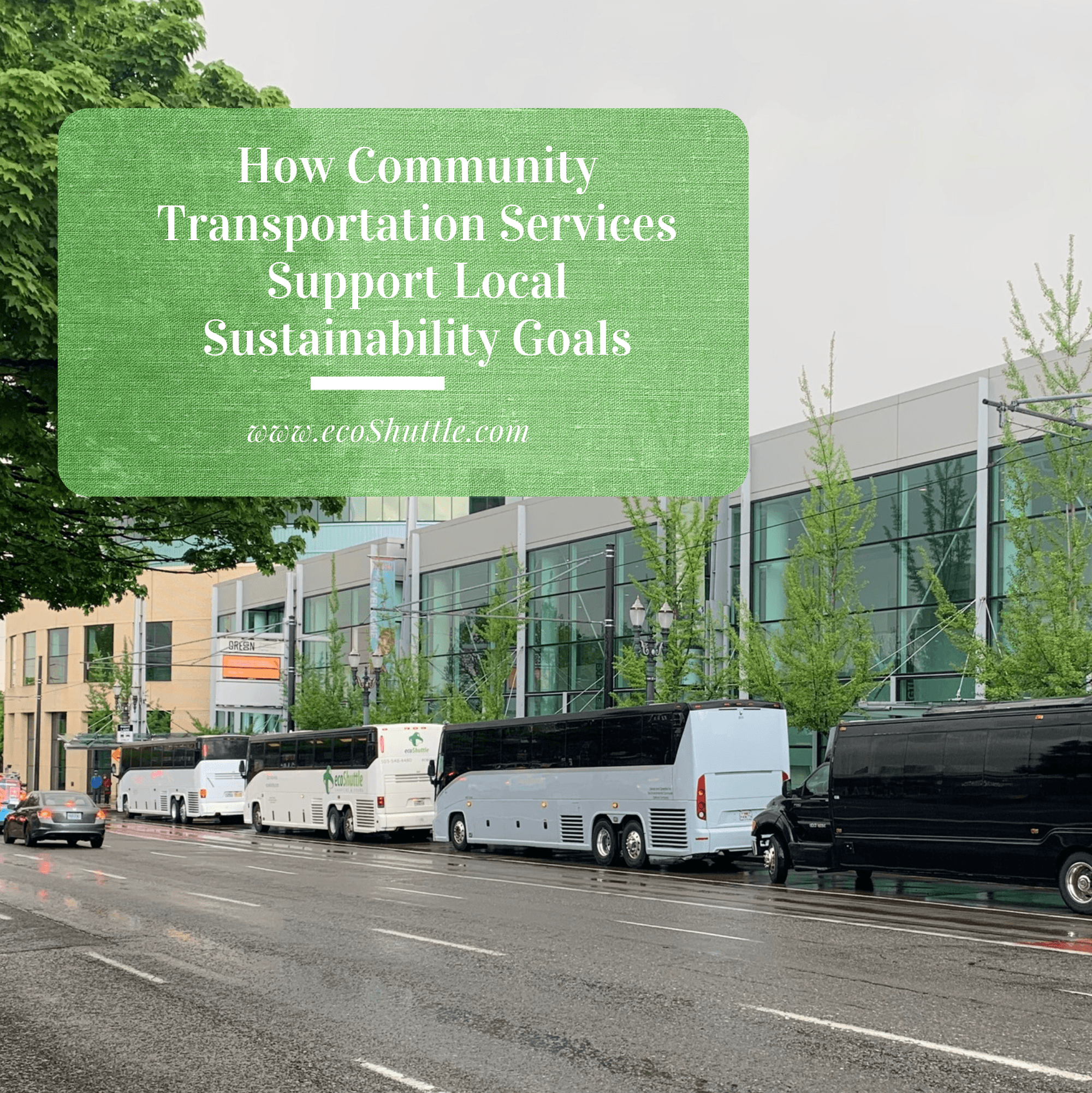
Transportation is the single largest source of greenhouse gas emissions in the United States, accounting for 28% of total output. For communities working to meet climate targets, that statistic makes local transport decisions among the most consequential a planner can make. Community transportation services like shared buses, shuttles, commuter programs, and transit networks are not just ways to move people around. When designed with sustainability in mind, they become one of the most practical tools available for reducing a community’s environmental footprint while strengthening the fabric of daily life.

Why Does Community Transportation Matter for Sustainability?
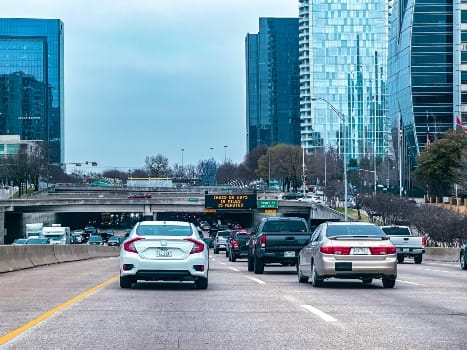
Shared transport consistently outperforms private vehicle use on emissions per passenger mile. A single bus removing 40 cars from the road is not a marginal gain: it is a structural shift in how a community uses energy. The effect compounds over time as ridership grows and networks expand.
What Do the Emissions Numbers Actually Show?
Public transit use reduces carbon dioxide emissions by roughly 45% compared to driving alone, according to research cited across the sector. Replacing even a fraction of single-occupancy trips with shared transport creates measurable improvement in local air quality. The environmental benefits of sustainable transportation extend well beyond emissions: improved public health and reduced congestion follow from the same shift.
How Do Local Transport Services Align with Community Goals?
Sustainable transport goals rarely succeed on infrastructure alone. They require alignment between the services available, the people who use them, and the policy frameworks that support them. Communities that treat transport as a sustainability lever rather than just a logistical function see the most durable results.
What Does Good Local Transport Planning Look Like?
Effective planning starts with understanding where trips are being made, by whom, and at what times, and then designing services that genuinely compete with the car for those journeys. It also means factoring in first- and last-mile connections, frequency, and affordability.
For residents settling into a new area, the first weeks often determine long-term travel patterns. Those who arrive with a car and no local knowledge tend to stay car-dependent. Those who arrive with reliable local services already mapped out tend to build more sustainable habits from the start. That’s why many new residents turn to Neostart for local moving services that handle the practical side of relocation and free them to focus on learning their surroundings rather than being consumed by the logistics of the move itself.
How Does Rider Behavior Shape the Impact?
Infrastructure creates the possibility of change. Behavior makes it real. A well-designed route that nobody uses delivers no emissions benefit. Communities that invest in both physical infrastructure and behavioral engagement consistently achieve higher ridership and greater sustainability impact.
What Encourages People to Switch?
Cost, convenience, and social norms all influence how people choose to travel. When a transit option saves time or money compared to driving, adoption follows naturally. When community leaders and employers publicly model sustainable choices, like taking the bus, cycling, or supporting transit funding, ridership grows through social reinforcement as well. Understanding the behavioral shifts behind sustainable transportation adoption helps planners design programmes that work with human psychology rather than against it.
Employer partnerships accelerate the shift. Subsidised transit passes, flexible schedules that align with bus times, and secure cycle storage at workplaces all remove the practical barriers that keep people in their cars. Communities that engage local employers as partners in transport planning gain both funding leverage and a ready audience for behavior change.

What Infrastructure Changes Multiply the Effect?
Physical infrastructure signals commitment. When people see investment in transit, new stops, clean vehicles, real-time information boards, it validates public transport as a serious option rather than a fallback. Small improvements in visibility and comfort often move ridership more than significant increases in route coverage.
How Does Upgraded Transit Infrastructure Support Local Sustainability Goals?
Solar-powered bus stops are one example of infrastructure changes that deliver dual benefits: they reduce the energy draw of the transit network itself while making waiting more comfortable and visible. These upgrades reinforce the message that the community takes sustainable transport seriously. Solar bus stops contribute to carbon neutrality at the network level precisely because they cut emissions from the infrastructure itself, not just the vehicles running through it.
Electric fleet transitions follow the same logic. Switching from diesel buses to battery-electric or hydrogen vehicles cuts direct emissions from the service itself, not just the journeys it replaces. Combined with renewable energy sourcing, an electrified community fleet can approach near-zero operational emissions.
How Can Communities Measure Progress?
Clear metrics make sustainability goals accountable. Communities that set specific, time-bound targets for ridership growth, emissions reduction, and mode shift are far more likely to achieve them than those that treat sustainability as a general aspiration.
Useful measures include vehicle miles traveled (VMT) per capita, the share of trips made by public or active transport, and fleet emissions intensity. The EPA’s Fast Facts on Transportation Greenhouse Gas Emissions provides a reliable baseline for benchmarking local performance against national trends, and is updated annually with the latest inventory data. Tracking these figures over time makes it possible to see whether policy changes are producing real reductions, or whether adjustments are needed.
Regular reporting also builds public trust. When a community shares transparent data on its transport emissions and the progress being made, residents are more likely to support the investments required to go further.

The Case for Taking Local Transport Seriously
Community transportation services support local sustainability goals not as a side effect but as a direct mechanism. Every shared journey is a private car trip avoided, every well-designed route is a structural shift in how energy is used. The communities making the most progress are those treating transport planning as a sustainability priority from the start, combining smart infrastructure, genuine rider engagement, and clear measurement. If your community is at the beginning of that process, start with a clear picture of current travel patterns, identify the journeys most replaceable by shared services, and build from there.