
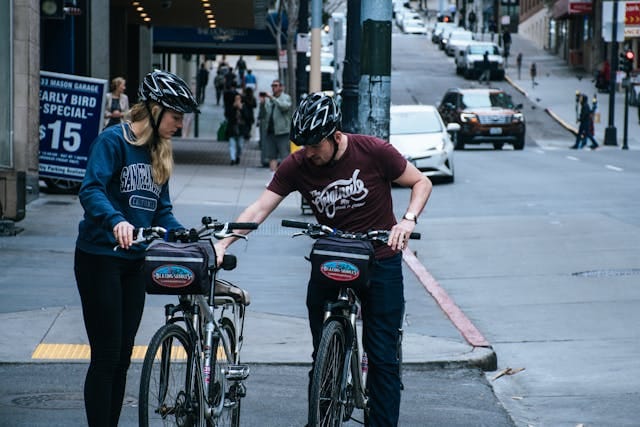
When it comes to relocating, more people are rethinking their priorities, and one group leading this shift is cyclists. These days, cyclists are choosing cities based on infrastructure, putting bike lanes, connectivity, and sustainable design at the top of their must-have lists. Good bike infrastructure doesn’t just make commutes easier; it shapes neighborhoods, supports local businesses, and even helps ease eco-anxiety.
Safety Comes First for Urban Cyclists
It’s no surprise that safety ranks high when cyclists are choosing cities. A city with protected bike lanes, clear signage, and dedicated cycling routes shows residents that their well-being matters. A painted stripe on a busy road isn’t enough anymore.
When cities invest in physically separated lanes and safe crossings, more people feel confident leaving their cars at home and choosing a bike instead, which eases congestion and improves air quality for everyone. Fewer cars mean less pollution and less stress about your carbon footprint, which can even help soothe travel guilt for those trying to live more sustainably. These choices ripple through communities, making urban life healthier, cleaner, and more appealing for cyclists who want streets designed for people, not just vehicles.
Moving Sustainably Matters Too
Choosing where to live is just one part of the puzzle — how you get there counts as well. Many people committed to cycling want the whole process to reflect their values, which is why relocating more sustainably is gaining attention alongside everyday biking. Therefore, when planning a green move, it makes sense to look for ways to lighten the footprint of the entire transition.
Thoughtful steps like downsizing possessions, reusing packing materials, and hiring a green moving company can reduce waste and emissions along the way. For cyclists who prioritize eco-friendly commutes, aligning those principles with how they relocate helps ensure their new lifestyle starts on the right foot.
Lower Costs and Greener Commutes
For many city dwellers, cost is a major reason to choose cities based on infrastructure. The expenses tied to car ownership — insurance, parking fees, fuel, and maintenance — stack up fast. In bike-friendly cities, skipping the daily parking scramble frees up money for more meaningful experiences instead of draining it at the gas pump.
When a city makes cycling safe and convenient, people see bikes not just as a hobby but as a smart, budget-friendly way to get around. Every rider who swaps a car for a bike cuts emissions, eases traffic, and helps create cleaner air — one of the biggest environmental benefits of sustainable transportation. For cyclists weighing where to settle next, greener commutes and real savings go hand in hand.
Cities That Get It Right — and Why It Matters
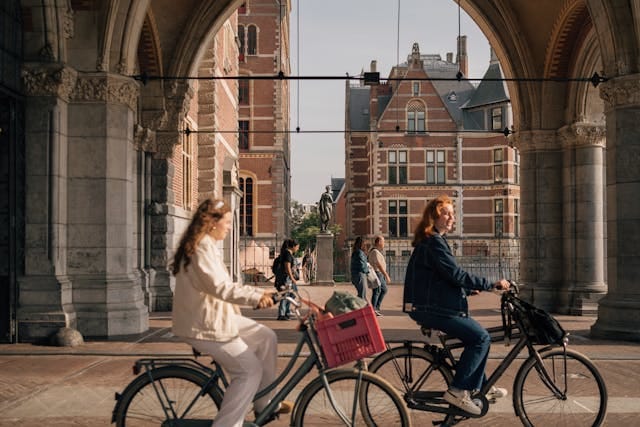
Urban planners worldwide are catching on. Copenhagen and Amsterdam have long been champions of smart cycling networks, but more North American cities are investing in protected bike lanes, greenways, and bike-sharing programs. Residents demand options that match their values, and local governments are responding with plans that reduce reliance on cars and strengthen communities.
For people making a move, the message is clear: modern, livable cities prioritize bikes. When people feel safe on their bikes, they ride more often, helping reduce pollution, easing traffic jams, and building healthier communities. It’s no wonder that cyclists are choosing cities based on infrastructure, voting with their feet — and their pedals — for neighborhoods designed for people, not just cars.
Bike Infrastructure Shapes Neighborhoods
Urban design plays a big role in how daily life unfolds. Cities with many cyclists often have lively neighborhoods where people linger, connect, and support local businesses. Protected bike lanes make it easier to shop locally, enjoy outdoor dining, and move through walkable areas where businesses thrive.
Cyclists look for places that feel safe and connected, with reliable routes to schools, offices, parks, and public transit. When you can reach everything you need without relying on a car, daily life feels more flexible and sustainable. For many, strong cycling networks open the door to transitioning to a car-free lifestyle, turning what once seemed like a challenge into an achievable way to live greener and spend more time in the neighborhood rather than behind the wheel.

How Businesses and Communities Benefit
One often overlooked reason cyclists are choosing certain cities over others is the positive impact on local businesses and community life. Streets designed with wide bike lanes and safe crossings tend to attract more foot and bike traffic, which means more customers for neighborhood shops, cafés, and markets. Unlike cars that speed through commercial corridors, cyclists and pedestrians stop, explore, and spend money locally, boosting small business revenue and helping unique districts thrive.
Cities that invest in green moving options and accessible bike networks also tend to draw residents who care about supporting local economies. This mindset creates vibrant main streets filled with independent businesses rather than big-box stores and sprawling parking lots. When more people choose to shop by bike, streets stay lively and safe, encouraging even more residents to leave their cars behind and join the community on two wheels.
When you look at the big picture, it’s clear that cyclists are choosing cities based on infrastructure because they want safe, healthy, and economically resilient neighborhoods. Bike-friendly streets are a win for families, entrepreneurs, and communities aiming for sustainable growth, all while giving residents more reasons to enjoy the places they call home.
Is Your Next City Bike-Friendly?
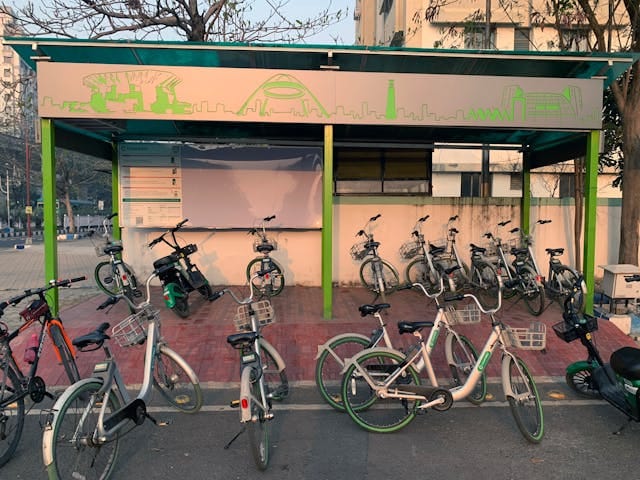
If you’re planning a move, take a moment to look beyond real estate listings. Ask yourself: Are there safe bike routes to the grocery store, work, or school? Is there protected parking for your bike? Do local policies support clean transport?
These small details can make a big difference when deciding where to settle down. In truth, more and more cyclists are choosing cities based on infrastructure and transforming urban life for the better as they do. Whether you’re an everyday commuter or a weekend rider, a well-designed bike network isn’t just a nice perk — it’s a powerful reason to call a new city home.