

Moving to a new place involves many decisions, from choosing the right home to organizing your belongings. However, one of the most lasting impacts your move can have is on how you get around. The location you choose greatly affects your transportation options, whether that means relying on public transit, biking, or using a car. Many people overlook the fact that the area you move to can lock you into certain transportation habits for years. With sustainable transportation options, the neighborhood you select might either make it easy or difficult to adopt eco-friendly habits. Your decision can influence your carbon footprint long after you’ve settled in.
Why Location is Crucial for Green Transit Options
The location of your new home directly affects how easily you can access environmentally friendly transportation options. Urban areas often offer better public transit and bike lanes, which can reduce your reliance on cars. However, in suburban or rural areas, public transport might not be as convenient, making driving necessary. Cities typically provide more eco-conscious infrastructure, such as electric vehicle charging stations and bike-sharing programs. Suburban areas may not offer these options, forcing you to drive more. With this in mind, choose a location with easy access to transit if you wish to reduce your carbon footprint. Not only will this encourage greener travel, but it can also save you money on fuel and parking in the long run.

Sustainable Travel Choices and Your New Commute
Your new commute significantly impacts your transportation habits. A move can turn a daily drive into an opportunity to walk, bike, or use public transport. In cities, these options are often more accessible, making it easier to adopt greener travel habits. On the other hand, if your new location lacks proper transportation infrastructure, you might be forced to drive more often. That increases your environmental impact. You should carefully evaluate your new commute before making a final decision. Ideally, choose a place that encourages walking or cycling for daily errands. The less you rely on a car, the smaller your carbon footprint will be, which aligns with a more eco-friendly lifestyle.
Urban vs. Suburban: Weighing Sustainable Transportation Options
Deciding between urban and suburban living can determine your access to green transportation. Urban areas often feature robust public transit systems, bike paths, and pedestrian-friendly streets. These factors make it easier to reduce your reliance on cars, supporting eco-friendly commuting.
In contrast, suburban living typically relies more on cars due to limited public transport and less pedestrian infrastructure. That can lock you into a car-dependent lifestyle for years. While suburban areas offer more space and lower housing costs, they can also restrict your sustainable travel options. When considering your move, prioritize neighborhoods with better transportation systems to ensure a long-term commitment to green travel. Your choice can either promote or hinder your efforts to reduce your carbon footprint.
How Packing Choices Can Influence Your Transport Needs
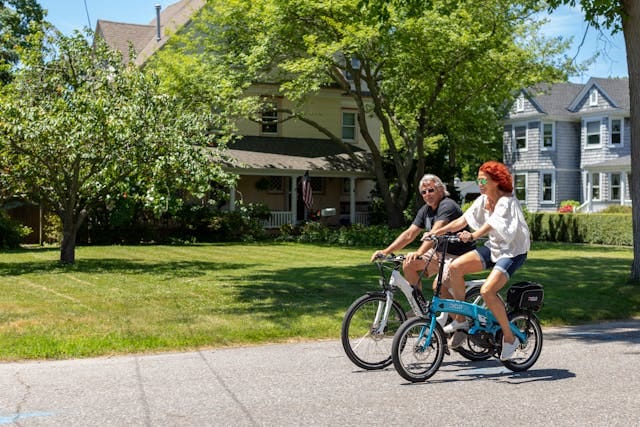
Your packing choices can significantly influence your transportation needs during a move. Large, bulky items often require a car, which can limit your options for using eco-friendly transportation. By minimizing what you pack, you can reduce the need for a vehicle, making it more manageable and opening up sustainable transportation options, like public transit or biking. Packing hacks for a stress-free move include using reusable containers and packing light. These small adjustments make your move more eco-conscious while saving you time and effort. If possible, consider moving without a car or renting a smaller vehicle to minimize your environmental impact. By carefully selecting what to bring and how to pack, you can make your move more sustainable and less reliant on traditional, less eco-friendly transport.

Your Transportation Future: How a Single Move Locks You In
A single move can significantly impact your transportation habits for years. Once you settle into a location, your access to greener travel options becomes harder to change. For example, if you move to an area with limited public transit, you may find yourself relying on a car for most errands. Choosing a place with easy access to bike lanes and public transportation can encourage long-term sustainable travel. Hence, it’s important to think about the long-term implications of your move. Your future transportation choices will largely depend on the infrastructure available in your new neighborhood. Choose a location that supports green transit to make it easier to maintain eco-friendly travel habits over time.
Why Choosing the Right Neighborhood Matters for Eco-Friendly Transit
Choosing the right neighborhood can greatly influence your transportation habits. Some areas are designed to encourage sustainable commuting by offering easy access to public transit, bike lanes, and walking paths. Neighborhoods that are spread out or lack these features often require a car, which increases your carbon footprint. When choosing a new home, evaluate the proximity to transportation options and how easy it is to get around without a vehicle. Additionally, consider the area’s walkability score, as this will impact your ability to adopt a greener lifestyle. Prioritize neighborhoods that support sustainable transportation to make greener travel a natural part of your everyday routine.
Making Your Move More Eco-Friendly: Tips and Ideas
Moving doesn’t have to be an environmentally costly experience. You can reduce your carbon footprint with thoughtful planning and eco-conscious decisions. First, consider using public transport or cycling to move smaller items, which eliminates the need for a car. Another option is to use reusable packing materials, which help reduce waste and make your move more eco-friendly. Consider donating or selling items you no longer need, reducing the amount you have to move. By packing light and using sustainable materials, you can make your move greener while saving money. These simple steps not only reduce your environmental impact but also set the stage for a more eco-friendly lifestyle in your new home.
How Your Move Shapes Your Transportation Lifestyle
Your choice of location and how you move directly influence your transportation options for years. Living in a neighborhood with good public transit or biking infrastructure can support a more sustainable lifestyle, reducing your dependence on cars. Moving to an area that lacks these options can lock you into a car-dependent lifestyle. Before committing to a new home, consider how its location and transportation infrastructure align with your goals for green living. In short, your move shapes your future sustainable transportation habits.