

Portland has earned a reputation as a leader in sustainable transport. The city encourages people to think differently about how they travel each day. With bike lanes stretching across neighborhoods, cycling becomes an easy choice for commuting and leisure. Public transit, including buses and light rail, covers wide areas and connects communities with efficiency. Walkable districts make daily errands simple without relying on a car. Moving to Portland often shifts habits in lasting ways. Newcomers quickly notice the reduced need for long drives. In short, the local environment inspires healthier and more responsible choices.
A Shift in Everyday Travel
Life in Portland quickly reshapes daily routines. The city encourages people to park their cars more often and explore better options. Bike infrastructure stretches across neighborhoods, connecting riders safely through bridges, greenways, and dedicated lanes. Public transit runs frequently, with buses and light rail reaching most parts of the metro area.
For this reason, commuting without a car feels practical and often faster. New residents notice that errands, work trips, and social visits no longer depend on driving everywhere. Many adapt within weeks, discovering that walking, biking, and riding transit save both time and money.
Biking as a Daily Lifestyle
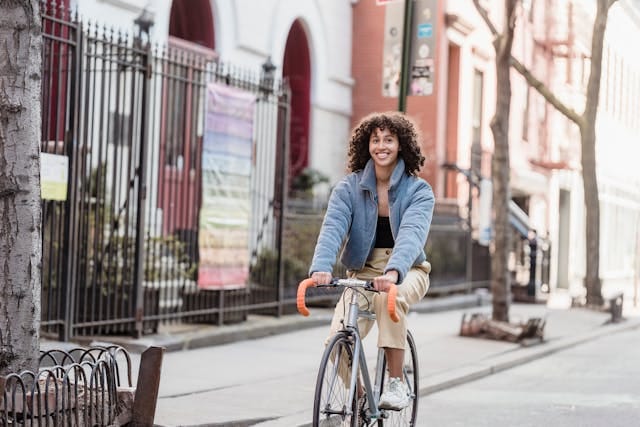
Cycling becomes part of daily life almost instantly after the move. The city offers bike lanes on major streets and scenic routes that connect neighborhoods. On the contrary, bridges designed for bikes make crossing the river easy and safe. Local businesses often provide racks and incentives for riders. Bike repair stations stand ready near popular routes.
Similarly, events like Sunday Parkways invite residents to celebrate cycling culture together. The habit feels simple to adopt because commuting by bike shortens travel times and improves fitness. Many newcomers choose to sell their cars or use them far less. Biking lowers stress, reduces air pollution, and builds community ties. Then again, nothing compares to the freedom of riding through a city built for cyclists.
Public Transit That Actually Works
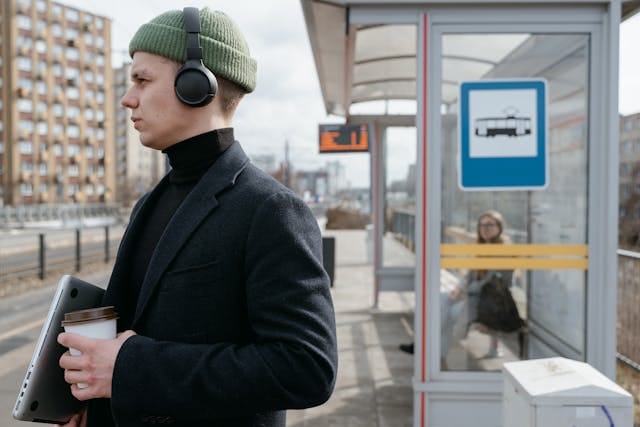
TriMet makes commuting without a car practical. Buses run often, and the MAX light rail covers a wide area of the metro. With this in mind, residents can reach downtown, the suburbs, and airports without driving. Frequent service reduces long waits, making schedules predictable. In contrast, many cities lack this kind of reliability. Affordable fares attract riders from all backgrounds, creating a social connection during travel.
The main focus is on accessibility, ensuring seniors and people with disabilities ride with ease. For daily commuters, transit becomes more than a backup option. It stands as a dependable choice that helps cut emissions and ease congestion. The convenience encourages people to rethink ownership of a second car or even the first.
Car-Sharing and Ridesharing Options at Your Fingertips
Car-sharing fits naturally into Portland’s transportation network. Services like Zipcar give residents quick access to vehicles without ownership. In short, this approach lowers costs for insurance, fuel, and maintenance. Electric car-sharing options expand each year, supporting sustainable choices for short trips. Nevertheless, many still enjoy using ridesharing apps when transit is less direct.
These services fill the gaps between biking and buses. Newcomers find freedom in knowing a car is always close when needed. Parking costs decrease since fewer households keep cars. Families may use shared vehicles only for larger errands or weekend trips. Access to flexible car-sharing reduces dependence on personal cars and promotes a healthier balance of travel modes.
Eco-Friendly Moving Practices for a Greener Relocation
Moving to Portland is more than a change of address—it’s an opportunity to relocate more sustainably and adopt eco-friendly practices right from the start. Planning ahead with reusable bins, recycled boxes, and biodegradable wrapping materials helps cut down on waste and supports a cleaner move. In addition, to reduce fuel consumption, many local movers now offer hybrid or electric trucks, giving you a greener option for transportation.
At the same time, instead of discarding items you no longer need, donating clothes, furniture, and household goods to community charities extends their usefulness and benefits neighbors. Portland’s recycling centers also make it easy to drop off leftover packing supplies and electronics, keeping them out of landfills.
By taking these steps, you align your relocation with the city’s values, where biking, public transit, and car-sharing already shape daily habits. Sustainable moving choices don’t just ease the process—they set the foundation for a lifestyle built on conservation and mindful transportation.
Walkability That Encourages Simplicity
Portland’s neighborhoods invite walking for both errands and leisure. Shops, restaurants, and parks sit close together, reducing car trips. As a matter of fact, some areas rank among the most walkable in the nation. Wide sidewalks and safe crossings help families feel comfortable. Sprawling suburbs in other cities push people into long commutes. Walking saves money, improves health, and creates more chances to meet neighbors.
Reduced traffic makes streets calmer and easier to navigate on foot. Newcomers often realize they do not need to drive to grab groceries or meet friends. Moving to Portland permanently changes daily travel habits. Walkable communities support a lifestyle that feels natural, convenient, and connected to people.

How Local Culture Shapes Your Transportation Choices
Culture influences travel as much as infrastructure does. Fortunately, more people are becoming mindful of the environment, so the popularity of eco-friendly transportation is rising. In truth, according to a survey published by the World Economic Forum, around 76% of travelers express the intention to travel more sustainably. Portland values sustainable choices and celebrates them publicly. Another key point is how residents support biking events, transit funding, and walkable design. Co-workers often bike to meetings or take the train, making car travel less common.
Hence, newcomers adapt quickly to the prevailing habits. Peer influence spreads through neighborhoods where most households cycle or ride transit. Living in cities dominated by cars often isolates individuals. The cultural norms inspire pride in collective responsibility. Environmental goals guide civic projects and influence personal routines. Transportation choices reflect shared identity, not just individual preference. The result feels stronger than rules—it becomes part of how people live each day.
Moving to Portland and Building Lasting Habits
Daily routines change quickly in this city, and those changes last. Moving to Portland often means swapping long car commutes for biking, walking, or riding transit. People save money, improve health, and reduce stress without losing convenience. On the other hand, driving remains possible through car-sharing or rentals when absolutely needed. The balance feels natural, and newcomers rarely wish to return to car-dependent habits. Kids who grow up here view sustainable travel as normal, making the next generation even more conscious of their choices. Portland does not just offer temporary adjustments. It reshapes lifestyle patterns in ways that endure for years, leaving residents with healthier and more sustainable methods of getting around.