
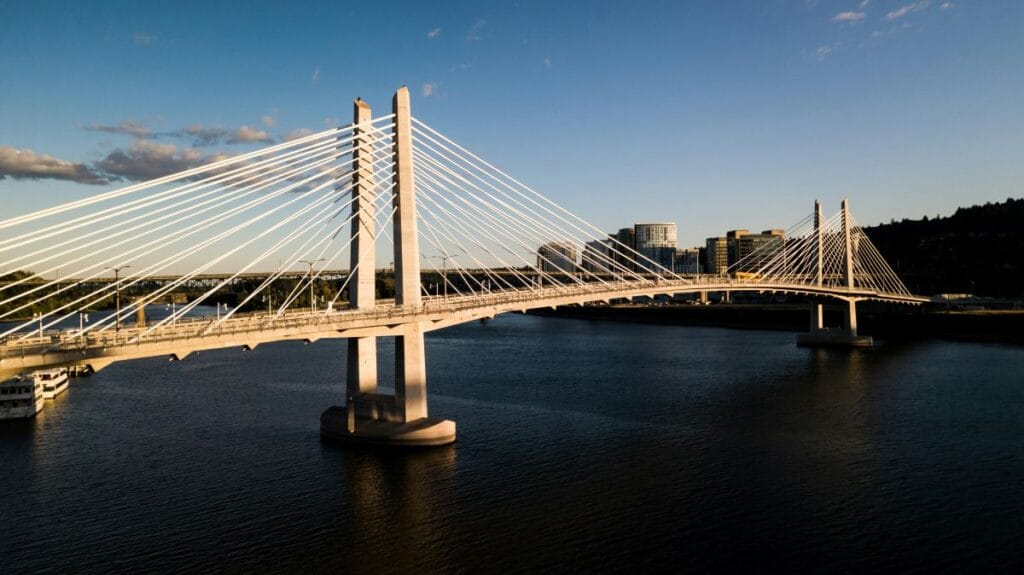
Portland is known for its progressive transportation network and strong sense of community. Many residents live comfortably without a car after relocating to Portland. The city’s public transit, bike routes, and walkable neighborhoods make it easy to get around while staying connected to work and social life.
Newcomers are often surprised at how simple it is to adjust to a car-free lifestyle here. Between public transit, shared rides, and local hubs, you can meet friends, commute, and explore the city with little effort. Portland rewards those who embrace its culture of sustainable travel and close-knit neighborhoods.
Understand Portland’s Transit Landscape Before You Arrive
Portland’s transit system is one of the most efficient in the Pacific Northwest. TriMet operates buses, MAX Light Rail, and the Portland Streetcar, which link most neighborhoods and major attractions. The Hop Fastpass card or mobile app allows easy transfers between systems. Trips from downtown to the airport, for instance, take under 40 minutes on the MAX Red Line.
Learning the routes before you move helps you settle in faster. The TriMet app, Google Maps, and Citymapper give real-time updates and help you plan efficient routes. To clarify, knowing schedules in advance saves time and reduces stress. Portland’s transit is affordable, reliable, and an excellent eco-friendly option for daily travel without hesitation.
Neighborhoods That Make Living Without a Car Easy
Some Portland neighborhoods are perfect for those who want to live car-free. Downtown and the Pearl District offer easy access to buses, light rail, and streetcars. Grocery stores, cafes, and entertainment are within walking distance. Similarly, areas like Hawthorne, Sellwood, and Mississippi Avenue feature strong local business networks and excellent walkability.
Choosing the right area makes a big difference. Proximity to transit stops, bike routes, and shopping centers keeps daily tasks simple. On the other hand, neighborhoods far from the MAX lines may feel isolating if you depend on public transit. Do some research before signing a lease, and consider visiting potential neighborhoods to test commute times.
When relocating to a new neighborhood, having reliable moving support makes the transition smoother. The benefits of professional movers extend beyond convenience—they save time, reduce stress, and help protect your belongings. In addition, experienced movers can handle challenging layouts common in older Portland homes. These same advantages apply anywhere, whether you’re moving across Oregon or to a small town in Connecticut. Professional movers provide peace of mind so you can focus on settling into your new community and exploring car-free living right away
Getting Around on Two Wheels
Portland is a paradise for cyclists. The city features hundreds of miles of bike lanes and low-traffic Greenways connecting every major area. The Biketown bike-share program lets you rent bikes through an app, ideal for short trips or errands. Monthly memberships are affordable and provide unlimited short rides.
Cycling here is safe if you follow a few basic tips. Always wear a helmet, obey traffic signals, and use front and rear lights. The Portland Bureau of Transportation offers free bike maps and classes for new riders. This way, it is easy to develop new transportation habits. Additionally, biking helps you stay active, save money, and enjoy the outdoors. The city’s mild climate supports year-round cycling for most residents.
Make Use of Shared and On-Demand Mobility Options
For times when biking or transit won’t do, shared mobility fills the gap. Ride-share services like Uber and Lyft operate widely across Portland. You can also use Zipcar or Getaround for short-term car rentals. These services are ideal for shopping trips or weekend getaways.
Electric scooters and e-bikes are another practical choice for covering mid-range distances. They’re available across the city through apps such as Lime and Bird. Moreover, combining these options with transit gives you maximum flexibility without car ownership costs. Shared mobility ensures you can still reach any part of the city with minimal planning.
Working Remotely and Staying Social Without a Car
Many newcomers work remotely, and Portland makes that lifestyle easy. Coworking spaces like CENTRL Office, WeWork, and HatchLab are all near major transit lines. These spaces provide fast internet, quiet work areas, and networking opportunities. Cafes and libraries also offer welcoming environments for freelancers and remote workers.
Connecting socially without driving is simple here. Online groups on Meetup or Facebook host events across the city for newcomers and locals alike. To emphasize, joining these communities helps you build friendships quickly. Whether through hiking groups, volunteer events, or social gatherings, you can stay engaged while living without a car after relocating to Portland.

Accessing Essentials: Groceries, Health, and Errands
Daily errands are easy to manage in Portland. Grocery chains such as New Seasons, Fred Meyer, and Safeway are often close to transit stops. Local co-ops and farmers markets are accessible by bus or bike. Delivery options like Instacart and Amazon Fresh simplify things further for busy days.
Healthcare services are also reachable without driving. Many clinics and pharmacies sit along major TriMet routes. Equally important, the city’s trip planner helps you find the fastest connections for errands or appointments. On rainy days, ride-share apps provide a comfortable alternative. Portland’s layout supports convenience, even when you rely on public transport or delivery.
Day Trips and Exploring Oregon Without a Car
Living car-free doesn’t mean giving up adventures. Amtrak, Greyhound, and FlixBus connect Portland to nearby cities. The Columbia Gorge Express bus offers scenic trips to Multnomah Falls and Hood River. Furthermore, local tour companies provide small-group trips to coastal areas and wine country. Also, moving around with a bike is easy in Portland, so use this to your advantage.
Traveling this way lets you relax while someone else drives. You can read, listen to music, or meet fellow travelers. In contrast, driving alone often adds stress and parking fees. Public and group transport options let you experience Oregon’s beauty without worrying about road conditions or navigation.
Summary: Thriving Without a Car After Relocating to Portland
Living without a car after relocating to Portland is entirely possible and surprisingly rewarding. The city’s strong transit network, supportive community, and abundance of local services make it easy to stay mobile and social.
You can thrive here through smart planning and an open mindset. Use transit apps, join car-free communities, and explore new routes often. All things considered, Portland’s design encourages connection and sustainability. Whether you’re commuting, socializing, or exploring, you’ll find that going car-free leads to a simpler, greener lifestyle in a city built to support it.