

Daily travel shapes how people pick a home. Time spent on buses, trains, and walking affects comfort and routine. A short trip not only reduces stress and creates free hours each week, but also supports steady sleep, child care plans, and grocery runs. Choosing areas with strong public transport reduces car use, which supports cleaner air and lower emissions. Thus, homes near urban transportation hubs often feel more practical because access supports health, savings, and clear planning.
Travel Time Shapes Daily Life
Short travel time gives more control over each day. A reduced commute supports calm mornings and steady energy. More free hours allow time for family, exercise, or food preparation. Living near strong routes feels flexible because daily plans stay predictable.
You check commute times and neighborhood options when you search for a home. You weigh the pros and cons — including whether hiring movers beats a diy move. A messy DIY move can erase time you hoped to save. You might end up stuck in moving chaos instead of enjoying a calm daily routine.
Travel time also affects housing budgets. Some pay more for a smaller place near a station to save time. Others accept reduced space because lower stress feels worth the price. Many choose distant areas for more room, but face longer travel. Each choice shapes the rhythm of the day.

Access Changes Housing Value
Access can shift property prices. Homes close to stops often cost more due to demand. People want short walks to work routes or places for groceries. A train stop can change a street within months. Shops open faster and offer more services. That availability increases interest from renters who want comfort without a car.
Prices also rise faster within walking range of key lines. You see changes in older districts when upgrades improve travel. A bus lane or bike route can increase local visits and support business growth. Many buyers track planned projects before they choose a home.
Investors follow public plans because lines often raise demand. Some pick areas near future stops for long-term gain. They accept early challenges because they expect steady interest once the route starts. This planning creates new local patterns that change selection outcomes.
How Urban Transportation Hubs Influence Community Choice
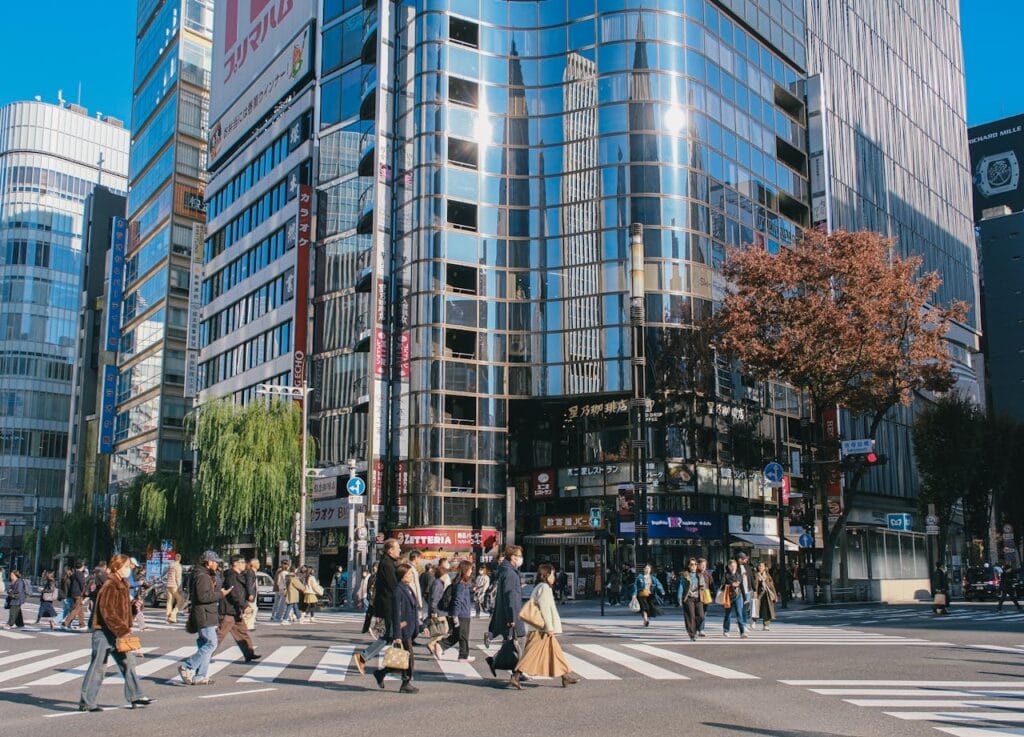
Homes near urban transportation hubs often attract buyers who want shorter trips and direct access to daily needs. A quick walk to a café or a shared space replaces long drives across the city. Less time in traffic saves money and encourages steady social contact. Many residents feel connected to more areas without heavy planning.
Transit access also increases local mix. People of different ages find it easier to settle in places with reliable routes. That diversity supports new food spots, repair services, and learning spaces near main stops. Shops open longer hours due to consistent foot traffic from commuters and visitors.
Transit access can also support cleaner travel habits. People with reliable routes for work, school, or errands often choose fewer car trips. Fewer daily car trips can lower emissions and reduce pressure on busy roads.
How Ratings and Safety Impact Neighborhood Choice
Safety and access data guide many decisions. Lighting, wide walk paths, and clear signs help parents and seniors move with confidence. Travel apps reduce confusion by showing route times in real time. Clear information builds trust for those who have just moved.
Simple rating tools give early direction. Walk-score reports show how many daily needs sit within a short walk. Transit-score reports show route frequency and coverage across the area. These tools reflect real access patterns, which help people compare neighborhoods quickly. Areas with high walk scores often show lower car use because daily needs sit close to home, which can help lower emissions over time.
Bike and Pedestrian Paths Build Lifestyle Appeal
Bike routes draw buyers who want quick trips without a car. Short bike rides replace many drives for daily needs. Work, cafés, and shared spaces sit within minutes. No parking stress and steady movement support health.
Safe walking areas help local business growth. People stay outside longer when routes feel safe. They visit shops, parks, and repair services during short trips. Parents value safe crossings near schools and public spaces, while also being able to apply practical sustainability lessons.
Expanded bike lanes often increase housing demand nearby. Buyers value time savings and lower fuel costs. Clear routes support active travel and simple routines. Many people pick homes where they can walk or bike to daily needs.

Neighborhood Identity Forms Around Transit
Transit can shape local identity. A busy line may create a hub for activity. People meet near popular stops for music, food, or free events. These events push more visitors into nearby streets. You see faster business growth in these zones.
Culture also forms around regular traffic. You share space with residents from different areas due to easy travel. That movement supports new ideas and builds interest in learning. Parents may pick schools near strong routes to reduce morning stress.
Public spaces grow near stops. Plazas, parks, or street chairs help people rest between tasks. Families sit outside, and workers eat food from small shops. This routine creates calm points during busy days. Shared places make streets feel friendly.
Planning Decisions Shape Future Picks
Future lines impact home selection before they open. People read public maps and expect long-term changes. They look at planned stops and pick homes before prices rise. This planning helps buyers save money and secure early access. A planned route can make a quiet area more active.
Public investment shows clear signals for new growth. Cities publish project dates and share route maps. Buyers use this data to predict interest. They expect better services and more shops near new stops. They plan long-term use instead of short-term savings.
Some plans face delays. A stop may open later than expected. Buyers weigh risk and reward before they act. They decide if waiting gives strong results. Good planning helps balance these choices.
How Transit Shapes Final Choice
Your home choice connects to daily travel. People judge areas based on distance, safety, and stable access. Time savings push demand near strong routes and public plans. You understand how urban transportation hubs shape home decisions through access, social contact, and cost. You compare maps and living costs before you pick a place. You make stronger choices when travel supports your goals.