
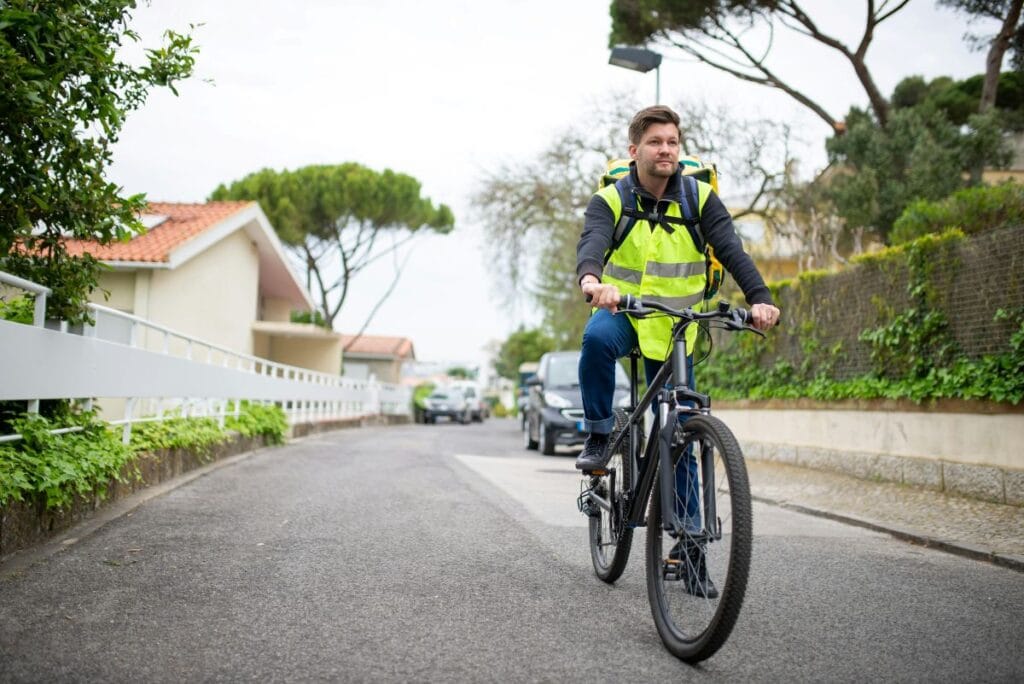
The 15-minute city is an urban model where essentials are within a short walk or bike ride. Workplaces, shops, schools, parks, and healthcare are all nearby. As a matter of fact, transport produces over a quarter of urban CO₂ emissions worldwide. This is why the idea is gaining global attention. By relocating to the 15-minute city, people change how they move daily. They depend less on cars, which directly reduces their carbon output. The change also improves health, as more walking and cycling means more exercise. Relocation to the 15-minute city is more than a housing choice. It’s a lifestyle change that impacts your health, time, and community ties. Walking more improves fitness, and seeing neighbors regularly builds social trust.
The Science Behind the ‘15-Minute’ Radius
Researchers have found that travel distance directly affects carbon emissions. If your trips are shorter, you use less fuel and release less CO₂.
Urban planners design these neighborhoods to support walking and cycling. Wider sidewalks, shaded paths, and safe bike lanes make active travel easy. Another key point is that they also lower noise pollution and improve air quality.
As an illustration, Paris reduced car traffic in areas redesigned for the 15-minute model. The result was cleaner air and safer streets. Melbourne reported that households in walkable zones saved hundreds of kilograms of CO₂ each year.
When people can walk to a café, cycle to work, and shop locally, the impact adds up. Small daily trips become healthier and cleaner.

Practical Relocation Planning: Choosing the Right Area
Moving to a 15-minute city starts with location. Look for a place where groceries, schools, parks, and health services are close.
With this in mind, make a map of key services within a 1.5 km radius of any potential home. Safe sidewalks and connected bike lanes should be high on your checklist.
Check the local transport network. Even in a 15-minute city, you might need to travel farther sometimes. Good public transport makes this easier without depending on a car.
Policies matter too. Cities with low-emission zones or strong cycling programs make daily life easier without a car. Also, look for green spaces and public gathering areas. These add to the quality of life and community spirit.
Sustainable Moving Tips for a Cleaner Start
Relocation to the 15-minute city is a big step toward living with less impact. The move itself can also be made more eco-friendly.
Choose greener packing solutions instead of single-use cardboard and plastic. Reusable crates, biodegradable packing peanuts, and fabric wraps help cut waste. Many local moving companies now offer these as part of their service.
Donate or recycle items you no longer need before the move. This reduces transport weight, which saves fuel and emissions. Borrow packing materials from friends or community groups instead of buying new ones.
When possible, schedule the move in fewer trips using efficient vehicles. Some companies even run electric moving vans. Combining a low-impact move with a low-impact lifestyle makes the change even more rewarding.

Redesigning Your Daily Radius After Moving
Once you’ve relocated, start by exploring your new surroundings. Make a personal map of shops, parks, and essential services.
Plan your regular trips. Walk or cycle for most errands. This makes daily life easier and keeps emissions low.
In contrast, know that longer trips may still be needed for those who use public transport or carpool with neighbors.
Order groceries or other items from local stores that offer delivery. This cuts the number of trips you make. Building friendships in your area also means social activities are closer to home.
The more you stay within your 15-minute range, the more natural it feels. Over time, you may find you hardly need your car.
Cutting Transport Emissions Without Sacrificing Comfort
Many people worry that giving up their car means giving up convenience. In truth, the opposite often happens.
You can switch to a cargo bike or an electric scooter for shopping or school runs. Public transport can cover longer trips with minimal effort. Besides, walking is free and good for your health.
Invest in quality walking shoes and weather-appropriate clothing. Secure storage for bikes and scooters makes active travel easier year-round.
In short, comfort comes from easy access, not from car ownership. The time and money saved from reduced driving can surprise you.
Overcoming Challenges in the 15-Minute City Model
No city is perfect. Some neighborhoods may lack certain services. Nevertheless, creative solutions often fill the gaps.
Local markets, pop-up shops, and shared service points can meet community needs. Mobile clinics and delivery services bring essentials closer.
Housing prices can be higher in well-designed areas. Looking at up-and-coming neighborhoods can offer a better deal while still meeting most needs.
Safety is another concern. Well-lit streets, visible crosswalks, and active public spaces improve security. Similarly, active communities watch out for each other, adding a sense of safety.
Balancing community connection and privacy is important. Many residents find the 15-minute lifestyle offers more social opportunities without feeling crowded.
Measuring the Impact: How to Track Your Carbon Savings
Knowing your progress helps keep you motivated. Use free apps to track your CO₂ emissions. Compare your travel habits before and after moving.
Track not just emissions but money saved from reduced fuel and maintenance. Hence, you can see benefits in both climate impact and personal budget.
Of course, even small changes make a difference. Replacing a short car trip with a walk may seem minor, but over a year, it adds up.
Share your results with friends and neighbors. This can inspire others and create a culture of sustainable living. Your example can encourage local leaders to keep improving urban design.

Summary: Relocation to the 15-Minute City as a Path to a Low-Carbon Future
Relocation to the 15-minute city offers cleaner air, healthier living, and stronger communities. Whereas urban sprawl pushes emissions higher, this approach turns the trend around.
With services nearby, you travel less, save money, and have more time for meaningful activities. You also help your city meet climate goals without major sacrifices.
The 15-minute model is not just for large cities. Smaller towns can adapt it too. It works anywhere people want a better balance between convenience and sustainability.
Through choosing a home that supports walking, cycling, and local living, you help shape a low-carbon future. Sustainable living starts with shrinking the distance between home and life.