

The trips people remember most are rarely the fastest or the flashiest. A bus ride through coastal fog, a meal at a farmer’s market stall, a morning hike before the crowds arrive; these stick. Sustainable travel tends to produce exactly this kind of moment. It slows things down enough that the world becomes noticeable again. When you move with intention, the experience stops feeling like consumption and starts feeling like connection.
What Makes Eco-Friendly Travel Different?
Eco-friendly travel isn’t just a checklist of green swaps. At its core, it’s a shift in how a trip is designed. The goal moves away from maximizing destinations and toward deepening the experience of each one. That shift has real consequences for what you remember afterward.
Is It About Where You Go or How You Get There?
Both shape the experience, but how you get there tends to matter more than people expect. Road trips in shared vehicles, train journeys, and charter shuttles put travelers in closer contact with the landscape. The journey stops being dead time. Transport, accommodation, and local spending all connect into a single coherent approach to traveling more sustainably. And each choice reinforces the others.
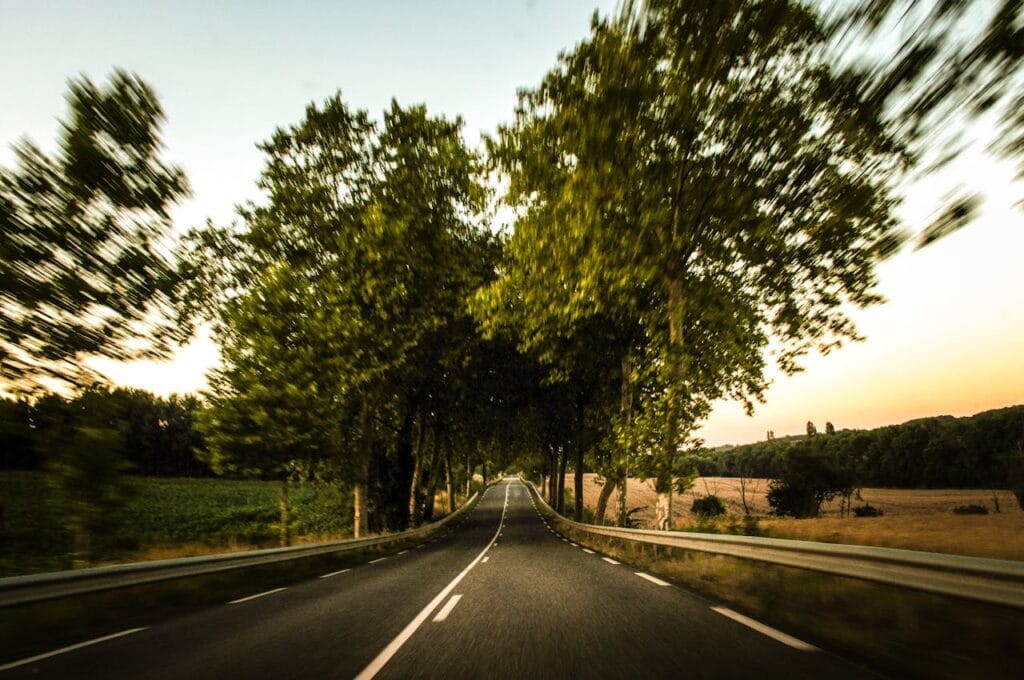
Why Slower Journeys Tend to Stick With You
Slow travel creates more vivid experiences per mile. When you’re not racing between highlights, you notice the roadside diner, the unexpected detour, the conversation with a stranger. These are the moments that surface years later. They’re not the itinerary you planned. They’re what happened around it.
How Do You Make Sustainable Travel Actually Work?
The practical side comes down to a few consistent decisions: where you stay, how you move, and where your money goes. Getting these right doesn’t require sacrifice. It mostly requires thinking one step further ahead than a typical booking process asks.
What Should You Look For in Eco-Conscious Accommodation?
Green-certified hotels, lodges built with local materials, and properties that source food regionally all reduce your trip’s footprint. They often deliver a more distinctive stay than a chain hotel would. Oregon has a strong offering here. Properties range from a forest cabin in Port Orford with the highest number of green certifications of any hotel in the state to Timberline Lodge on Mt. Hood, which runs on local goods and offers public transit access from the city.

How Does Getting Around Shape the Experience?
Once you’re at a destination, the gap between driving solo and using shared transport is significant. Public transit rides and group shuttles put you alongside locals. Cycling routes take you through neighborhoods a highway bypasses entirely. The environmental case is well established: according to APTA’s public transportation facts, communities that invest in public transit reduce national carbon emissions by 63 million metric tons every year. Every shared ride on a trip is a small part of that reduction.
How Do You Capture the Memories Without Leaving a Trace?
Documentation is part of how travel becomes lasting. But photographing everything on a smartphone, then editing and uploading, can pull you out of the moment you’re trying to preserve. Eco-conscious travelers often find that a lighter approach to capturing experiences fits their ethos naturally.
Why Analog Tools Fit the Eco-Travel Mindset
There’s a growing interest in cameras that impose limits: fewer shots, no screen, no instant review. These tools ask you to be more deliberate about what you photograph. The result is photos that feel real and simple rather than curated. The physical object you come home with, whether a roll of film or a set of prints, has a permanence a camera roll rarely achieves. It becomes part of the memory rather than just a backup of it.

What Does Sustainable Travel Look Like Right Here in Oregon?
Oregon has long been a testing ground for eco-conscious tourism. Its combination of coastline, old-growth forest, volcanic peaks, and walkable cities creates natural conditions for low-impact exploration. Portland consistently ranks among the most sustainable cities in the United States. The infrastructure for car-free travel is functional, not just aspirational.
What Makes the Oregon Coast a Natural Starting Point?
The Oregon Coast is one of the most accessible destinations for sustainable travel in the Pacific Northwest. Regional services are expanding to meet demand from travelers who’d rather not drive. A partnership between Tillamook County Transportation District and ecoShuttle now runs weekend shuttle service to the coast with hop-on, hop-off stops, making it straightforward to reach beaches and headlands without adding another car to the road.
The coast also rewards the slow approach in ways a rushed itinerary misses. Low tides reveal tide pools that take patience to properly explore. Sea stacks catch different light at different hours. The Oregon Department of Forestry maintains coastal forest trails that feel remote yet are reachable by shuttle. These are the places where the memory actually forms.
Making Every Trip Count
Sustainable travel is about alignment between how you move through the world and what you take away from it. The choices that lower your environmental impact tend to deepen your experience too. Sharing transport, staying somewhere with roots in its place, and moving slowly enough to notice what’s there — these habits compound over the course of a trip. If you’re planning a weekend on the Oregon coast or something further afield, start by deciding the journey itself matters. The rest of the planning follows naturally from there.