
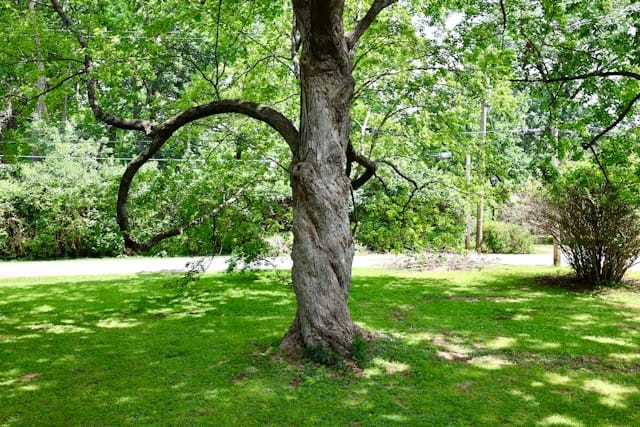
Moving into a new home offers a rare chance to shape your outdoor space from the ground up. Choosing the best trees to plant early can give your yard structure, color, and shade for many years ahead. Look for tree specialists in local nurseries and get involved in seasonal sales. Do not stand back. Walk through the options, take notes, and make your choices. Active decisions today can create lasting beauty tomorrow.
Smart Landscaping Starts with a Thoughtful Move
The choices you make before and right after moving can shape how well your new home works for you — inside and out. It’s tempting to dive into outdoor projects quickly, but rushing often leads to poor tree placement or the wrong species for your space. Worse, the stress of a complicated or unreliable move can leave little energy for these early decisions. That’s why it’s important to protect yourself from common moving scams and delays before turning your focus to the yard. Once you’re truly settled, take time to walk your property, observe sunlight patterns, and imagine how trees might grow and change. Smart planning now helps you avoid costly removals or regrets later on.
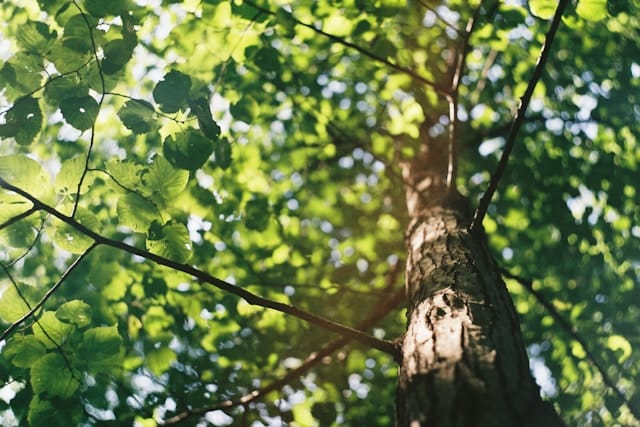
Shade-Giving Favorites for Spacious Yards
Large trees can provide welcome relief during hot afternoons. They can cool a home naturally and add character to open yards. Strong and hardy maples are a popular option. Many homeowners choose them for their rich color in autumn. Oaks can also create a striking feature with broad branches and a strong trunk.
When you prepare to plant these types, ensure your soil drains well. Poor drainage can limit growth and shorten the life of the tree. Plan and clear enough space so roots do not damage pathways or utility lines. Walk your property, mark the spots, and picture how each tree will shape your outdoor experience.
Flowering Beauties That Brighten Any Landscape
Some trees give a yard an artistic touch during spring and summer. Dogwoods impress with soft blossoms and subtle shade. Magnolias offer large flowers that create a stunning scene when viewed from a porch or window. These species also attract birds and beneficial insects, which can help your whole garden flourish.
Prepare a planting site with compost and loose soil before bringing in these trees. Test soil acidity to match the needs of your chosen variety. Use mulch around the base to hold moisture and discourage weeds. With these steps, you bring lasting color and charm to your yard.
Best Trees to Plant for Year-Round Structure
Evergreens deliver beauty long after other trees drop their leaves. Cedars can stand as natural screens, adding privacy without heavy maintenance. Fir trees give steady color and often hold strong even in heavy winds. Spruces provide a classic shape and fit well along the borders or corners of a lot.
When you select evergreens, think about spacing and mature size. Water them deeply after planting and monitor the soil for the first few seasons. These trees reward consistent care with decades of steady shade and form.
- Maple for shade and seasonal color
- Dogwood for blossoms and wildlife appeal
- Cedar for privacy and structure
- Fir and spruce for steady green
Each choice can turn your yard into a place you enjoy daily.
Innovative Tips for Multi-Season Appeal
A single type of tree may look plain in some months. Instead, create layers of interest by combining trees with different bloom times. Match spring blossoms with trees that offer autumn color or striking bark in winter. By doing so, you design a yard that changes in subtle ways across the year.
For a bold effect, plant in clusters instead of rows. Vary the heights so the view shifts as you move across the property. Use mulch rings around each tree to define spaces and conserve moisture. You can also explore other landscaping ideas, like adding ground covers or benches near your trees, or adding a water feature to build a welcoming outdoor area.
Practical Options for Smaller Yards
Some yards offer limited space, yet a wise selection still creates beauty. Japanese maple stands out with graceful branches and striking seasonal shades. Dwarf fruit trees bring blossoms in spring and fruit in late summer. Both types remain compact, so they suit tight areas without crowding structures.
Also, think about root spread before making a purchase. A smaller tree can still send roots far enough to lift walkways if poorly placed. Walk through your yard with a tape measure and mark clear planting zones. Include a mix of textures and shapes so your outdoor space feels balanced and alive. Mention small trees for small spaces when you speak with experts at local nurseries and gather their advice.

Establish Your Trees for Success
A well-prepared site improves growth and health in the first years. Clear weeds, loosen soil, and add compost before digging. Set each tree at the same depth it held in the nursery pot to avoid stress.
Next, water deeply after planting and repeat weekly until roots expand. Spread mulch in a wide circle to keep soil temperature steady and reduce evaporation. Check moisture often with your hand rather than relying on guesswork. This careful attention allows even delicate types to thrive and grow strong.
Care for Trees as They Mature
Early care shapes the long-term health of any tree. Prune weak or crossing branches before they cause damage. Inspect bark and leaves often to catch signs of disease early. Do not ignore broken limbs after a storm because decay can spread fast.
Also, give attention to soil nutrition every year. Add slow-release fertilizer only after testing nutrient levels. Protect roots from mechanical damage by avoiding heavy tools near trunks. Always remember that wintertime tree care makes a difference in survival and spring growth.
Environmental and Personal Benefits
Trees cool homes naturally, reduce energy bills, and create calm outdoor zones. They attract birds and improve air quality around your property. Some species produce fruit, while others supply shade for outdoor tables or play areas.
These features turn your yard into a retreat for friends and family. They also add value if you plan to sell in the future. Selecting the best trees to plant early ensures these benefits will last for decades.

Final Thoughts and Inspiration
Your outdoor space reflects your effort and vision. Choose the best trees to plant with care and watch your yard transform season after season. Step outside, observe your land, and make active decisions. A single tree planted today can shape your home’s character for a lifetime.